Arabian Gulf University (AGU) and Nass Corporation have entered into a deal to complete the King Abdullah bin Abdulaziz Medical City project, a key healthcare initiative in Bahrain.
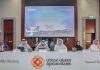
The contract was signed by Dr. Saad bin Saud Al Fuhaid, President of Arabian Gulf University (AGU), and Mazen Matar, CEO of Nass Corporation.
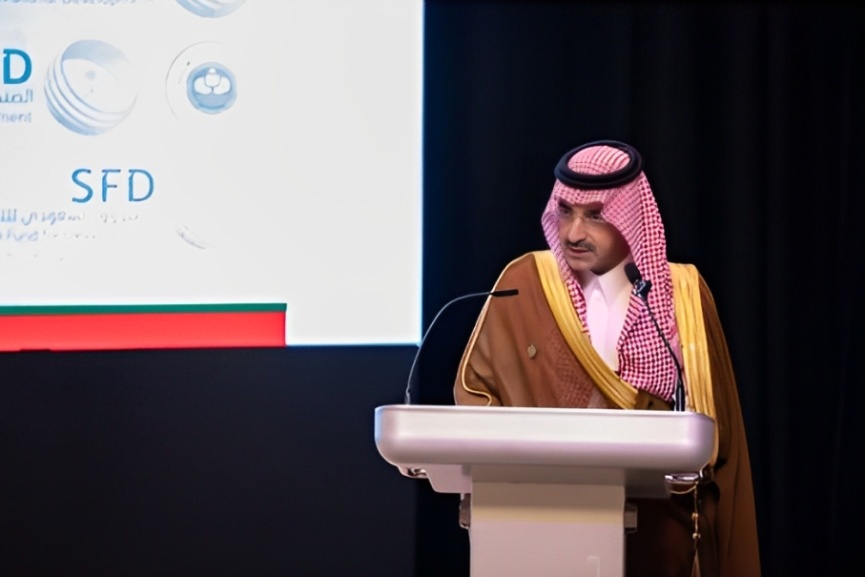
The signing ceremony was attended by Lieutenant General Dr. Shaikh Mohammed bin Abdulla Al Khalifa, Chairman of the Supreme Council of Health; Dr. Mohammed bin Mubarak Juma, Minister of Education and Chairman of the Higher Education Council; Yousef bin Abdullah Al Benyan, Saudi Minister of Education; Sultan bin Abdulrahman Al Marshad, CEO of the Saudi Fund for Development (SFD); and senior medical and education officials from both countries.
The project aims to enhance specialized healthcare in Bahrain and the wider region by integrating medical services with education and research.
Dr. Juma highlighted that the project reflects strong ties between Bahrain and Saudi Arabia and supports cooperation in health and education, under the directives of HM King Hamad bin Isa Al Khalifa and the Custodian of the Two Holy Mosques King Salman bin Abdulaziz Al Saud.
The minister also stressed the project’s support from the Bahrain-Saudi Coordination Council, co-chaired by HRH Prince Salman bin Hamad Al Khalifa and HRH Prince Mohammed bin Salman Al Saud.
Sultan Al Marshad stated that the project is a leading model of development cooperation in healthcare, with over 275 beds, enabling medical training and comprehensive services aligned with international standards.
Dr. Al Fuhaid underscored that the project will strengthen Bahrain’s position as a regional hub for medical innovation and research. Al Fuhaid further emphasized the university’s commitment to delivering the project to the highest international standards, in honor of the late King Abdullah bin Abdulaziz and in support of Bahrain’s strategic vision for the healthcare sector.
Bashar Sameer Nass, Board Member of Nass Corporation, stated that the construction is advancing in line with the set schedule, with a focus on providing high quality facilities and cutting-edge educational infrastructure.
The medical city will feature a teaching hospital with 300 rooms, clinical and outpatient buildings, 77 outpatient clinics, 15 operating rooms, 37 intensive care units, and six isolation rooms. Furthermore, it will include medical education and research centers focused on regional health priorities such as diabetes, obesity, cancer, and cardiovascular.