Bahraini Women’s Day, celebrated annually on December 1st, serves as a moment to honor the remarkable achievements of women in Bahrain and to reflect on the strides made toward gender equality and empowerment.
Bahraini women play an important role in the Kingdom of Bahrain’s development, contributing to all facets of public life, including business, politics, social development, and more. Nevertheless, there is still an opportunity to establish a more welcoming atmosphere that promotes greater gender parity in spite of these successes.
What is Bahraini Women’s Day?
Launched by HRH Princess Sabeeka in 2008, the first Bahraini Women’s Day was held under the theme, “She read… She learned… She contributed”, which, in turn, was coined to celebrate 80 years since the start of formal education for women in the Kingdom.
Marked on 1 December every year, the occasion celebrates Bahraini women and their contributions to shaping the identity of a modern, forward-thinking society that seeks to preserve the principles of equality in the national development process.
The Bahraini Women’s Day theme highlights the vital role women have played in shaping modern Bahrain, emphasizing the tangible impact of their contributions as key partners in national development. It also reflects the journey of Bahraini women, starting with the first generation of female pioneers who valued education and knowledge, and extending to today’s women, who continue to build their society with the same passion and determination.
It is an important national event that celebrates the achievements of Bahraini women, and has had several themes over the years, is an important national event that celebrates the achievements of Bahraini women, has had several themes over the years.
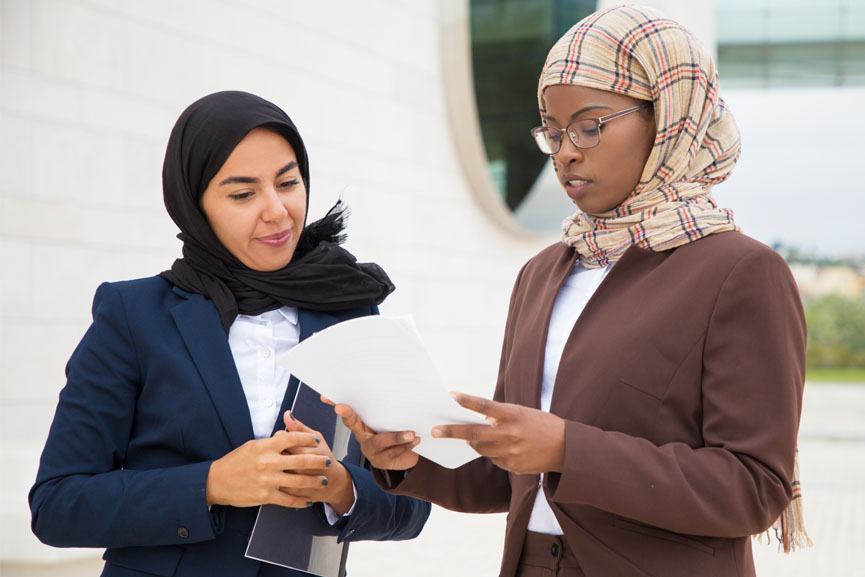
Image credits: freepik | Cropped by GBN
Role of the Supreme Council for Women in Empowering Bahraini Women
The Supreme Council for Women (SCW) is committed to addressing women’s needs to unlock their full potential and contribute to society on a broader spectrum.
As part of a national initiative aimed at promoting gender equality and inclusion of women, the government and the SCW have undertaken a range of initiatives to empower Bahraini women, turning them into role models within the Arab World.
Established in 2001, the Supreme Council for Women (SCW) is a key governmental body in Bahrain to promote and advance the status of women in the country. Its primary mission is to support women’s participation in all sectors of society and ensure their rights are protected in alignment with national development goals.
The SCW is chaired by Her Royal Highness Princess Sabeeka bint Ibrahim Al Khalifa, the wife of King Hamad bin Isa Al Khalifa. Her leadership has been instrumental in driving forward many of the council’s initiatives, particularly in enhancing women’s role in Bahrain’s economic and social development.
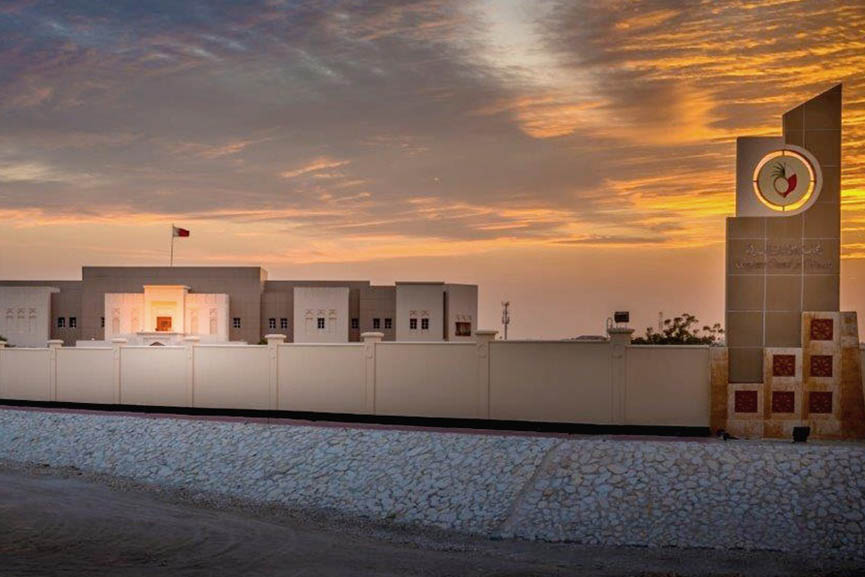
Image credits: SCW | Cropped by GBN
Role of Women in Bahraini Business and Entrepreneurship
Bahrain has experienced an entrepreneurial boom driven by female entrepreneurs, with a growing number of startups, small companies, and creative endeavors flourishing in a variety of industries.
The SCW established the Bahrain Women’s Development Fund (BWDF), which has been crucial in assisting female entrepreneurs in obtaining funding to start and expand their enterprises. Numerous women have found success as entrepreneurs thanks to the fund’s grants, mentorship, and low-interest loans.
Important Sectors for Women in Business
Banking and Finance: One of Bahrain’s most significant industries, banking and finance, has a high proportion of women. Banks, insurance companies, and other financial institutions employ a large number of women in senior roles.
Retail and Fashion: Women are heavily involved in the retail industry, which includes design, cosmetics, and fashion. Successful boutiques, internet retailers, and fashion design houses that serve both domestic and foreign markets have been founded by women.
Healthcare and Wellness: Women are well-represented in Bahrain’s healthcare industry, which includes wellness services, medical practice, and healthcare administration. Numerous female entrepreneurs have founded fitness facilities, wellness centers, and medical clinics.
Technology and Innovation: Women have also made progress in these fields, starting tech startups and assuming positions in software development, digital marketing, and IT consulting.
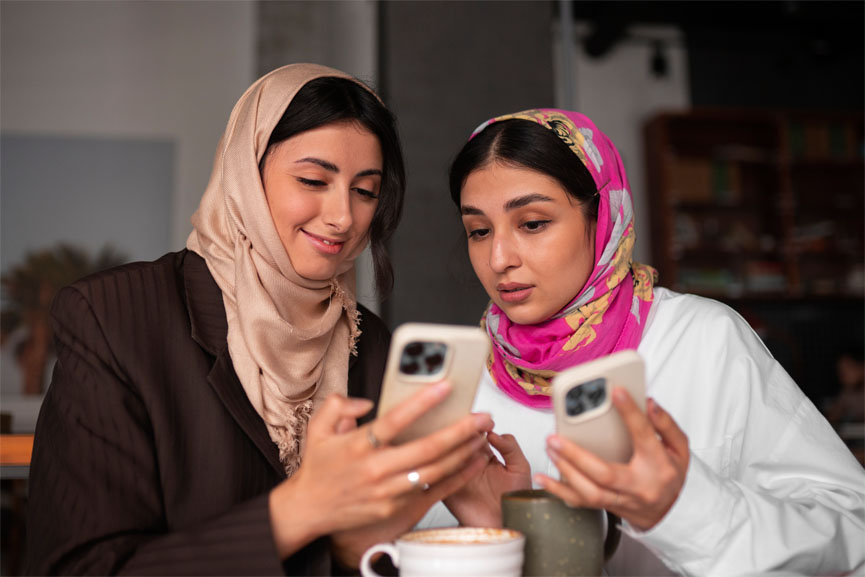
Image credits: pch.vector @ freepik | Cropped by GBN
National Plan for the Advancement of Bahraini Women
The National Plan for the Advancement of Bahraini Women includes five pillars that seek to ensure women’s family stability and cohesion, and enable them to contribute to development, forming an equal partnership in building a sustainable, competitive community.
Women receive attention from the government of Bahrain in all fields, including housing, where women have the right to apply for housing services as heads of households. This is in addition to taking significant steps to develop an action plan to protect women from violence and discrimination, and to encourage their economic empowerment.
The Kingdom of Bahrain has issued legislation in support of women’s rights, including Family Law No. (19) of 2017, which regulates family provisions (inheritance) for all without discrimination.
Image credits: freepik | Cropped by GBN
Future of Bahraini Women in Business
As Bahrain commemorates Bahraini Women’s Day, it is important to reflect on the extraordinary progress that has been made, but also to acknowledge the work that remains. In Bahrain, women are driving social change, running businesses, and influencing the future of the country in amazing ways. One innovation at a time, Bahraini women leaders, from small business owners to senior executives, are transforming the business environment.
The future of Bahraini women in business looks brighter than ever, with the support of the government, an ecosystem that is developing around entrepreneurship, and a culture that empowers and celebrates female achievement. There is no question that Bahraini women will become more and more important in creating a thriving, sustainable, and inclusive economy as the kingdom works toward its Vision 2030.