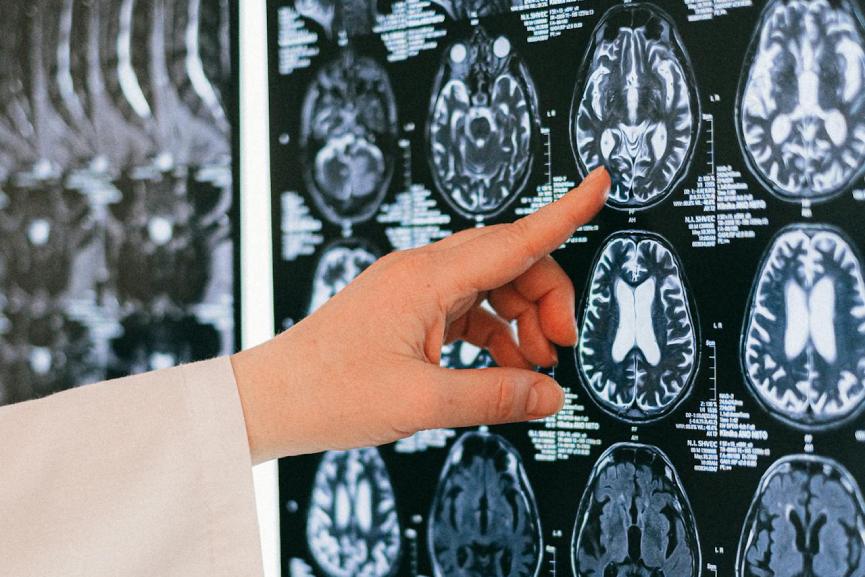
Fatty diets and obesity affect the structure and function of astrocytes, the star-shaped brain cells located in the striatum, a brain region involved in the perception of pleasure generated by food consumption.
What is even more surprising is that manipulating these astrocytes in vivo in mice can influence metabolism and correct certain cognitive changes associated with obesity, for example,ability to relearn a task.
These results, described by scientists from the CNRS2 and the Université Paris Cité, were recently published in the journal Nature Communication.
These discoveries reinforce the idea that astrocytes, long neglected in favour of neurons, play a key role in brain function. They also demonstrate, for the first time, the ability of astrocytes to restore cognitive function in the context of obesity, opening up new avenues of research to identify their exact role in energy metabolism.
Image Credits: Anna Shvets@Pexels | Cropped by GBN
These conclusions were reached using a combination of ex vivo and in vivo approaches in rodents, including chemogenetic techniques, brain imaging, locomotion tests, cognitive behaviour and measuring the body’s energy metabolism.
High-fat diets and obesity reshape astrocytes, star-shaped brain cells in the striatum that help regulate pleasure from eating. French researchers discovered that tweaking these cells in mice not only impacts metabolism but can also restore cognitive abilities impaired by obesity, such as relearning tasks.
This breakthrough highlights astrocytes as powerful players in brain function and energy control, opening fresh possibilities for targeted obesity treatments.