The third session of the Duqm Summer Series has underscored Oman’s growing significance in global trade, highlighting the nation’s strategic role in a shifting economic landscape.
Held at the SEZAD Head Office, the session focused on how tariffs, geopolitical shifts, and evolving trade patterns are reshaping global supply chains. The session was led by Saad Bait Nasib, Commercial Director at ASYAD Ports and Free Zones.
The Duqm Summer Series session explored both the risks and emerging opportunities created by global economic realignments. He emphasized that rising protectionism, particularly recent US tariff policies, has introduced significant volatility across international markets.
At the Duqm Summer Series, Bait Nasib began with the wider economic backdrop. Tariffs have re-emerged as a central feature of Washington’s economic strategy, with recent measures described as the steepest in a century. Such policies carry consequences well beyond the US, influencing costs across global supply networks and testing the resilience of smaller enterprises.
The Commercial Director further described the current economic context, highlighting how tariffs, some of the steepest imposed in over a century, are affecting costs and supply continuity. He noted that Micro, Small, and Medium Enterprises (MSMEs) are particularly exposed, given their limited capacity to absorb disruptions or redirect logistics flows. As global supply chains become more complex, resilience has become as critical as efficiency.
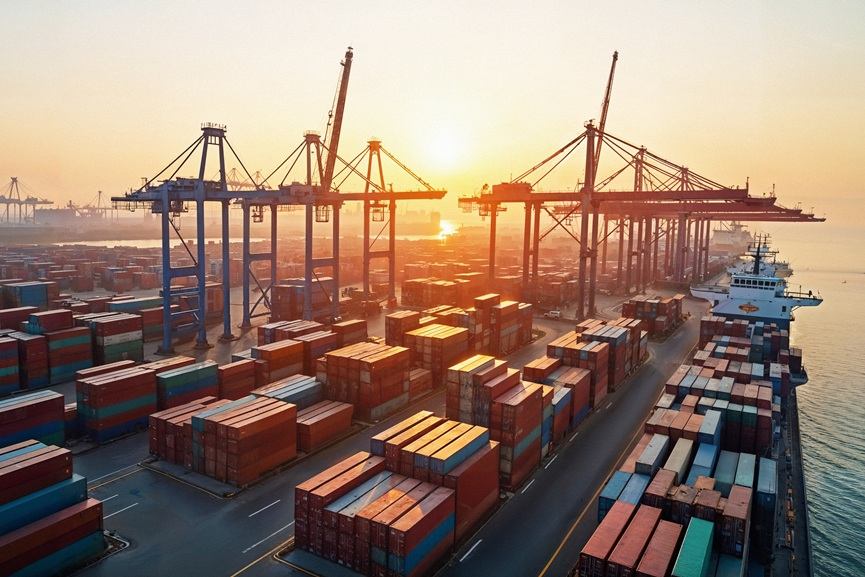
Turning to opportunity, the Duqm Summer Series highlighted Oman’s geographic advantages, particularly Duqm’s position along the Indian Ocean. This location provides direct access to high-growth consumer and supplier markets across Africa and Asia. With multiple Free Trade Agreements (FTAs) in place, Oman offers firms cost-effective, stable entry into new markets.
Bait Nasib also presented Duqm’s integrated logistics ecosystem, including its port, airport, industrial zones, and logistics facilities, as a key draw for international manufacturers. The Special Economic Zone offers ready infrastructure and competitive incentives designed to reduce costs and support rapid expansion.
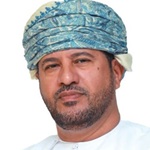
Eng. Ahmed Akaak CEO – SEZAD
“Duqm was planned for moments like this. When the world demands resilience and clarity, we offer both. Our task is to give investors predictable rules, competitive infrastructure and fast execution tools that allow them to control costs, manage risk and capture new markets.”
The Duqm Summer Series runs through August in four themed sessions. The third session was built on earlier discussions covering sectors such as manufacturing, logistics, renewables and fisheries.
The event underscored Duqm’s emergence as both a resilient supply chain hub and a launchpad for companies targeting expansion into emerging regional markets in Africa and Asia.