Failaka Island is a destination that often prompts the thought, ‘Why haven’t we explored this place before?’
The island offers not only picturesque landscapes but also serves as a unique convergence of nature, history, and culture. It provides visitors with an opportunity to immerse themselves in an experience that feels like a step back in time.
Located 20 kilometers off the coast of Kuwait, Failaka serves as a window into Kuwait’s past and cultural development. Furthermore, it is well-known for its interesting archaeological sites and the traditional 1950s homes of Heritage Village.
Let us embark on a journey to this enchanting island, delving into its rich cultural and historical significance.
Failaka Islands Historical and Cultural Importance
Failaka Island holds great historical significance, standing as a crossroads of culture for over 4,000 years. It’s even on the UNESCO Tentative List, a testament to its importance.
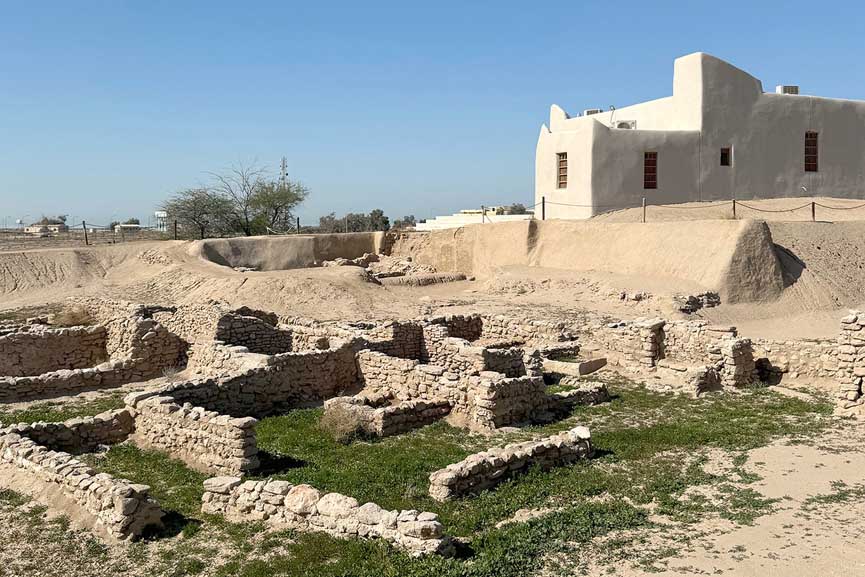
The island’s history goes back to the Dilmun civilization, one of the major trading cultures of the early Bronze Age in Mesopotamia. Its prime location in the Arabian Gulf made it a key hub for both trade and agriculture, connecting different parts of the ancient world.
Image from Wikipedia | Cropped by GBN
According to Sumerian cuneiform texts discovered on the island, Failaka is believed to have been known as Agarum, the land of Enzak, the great god of the Dilmun civilization.
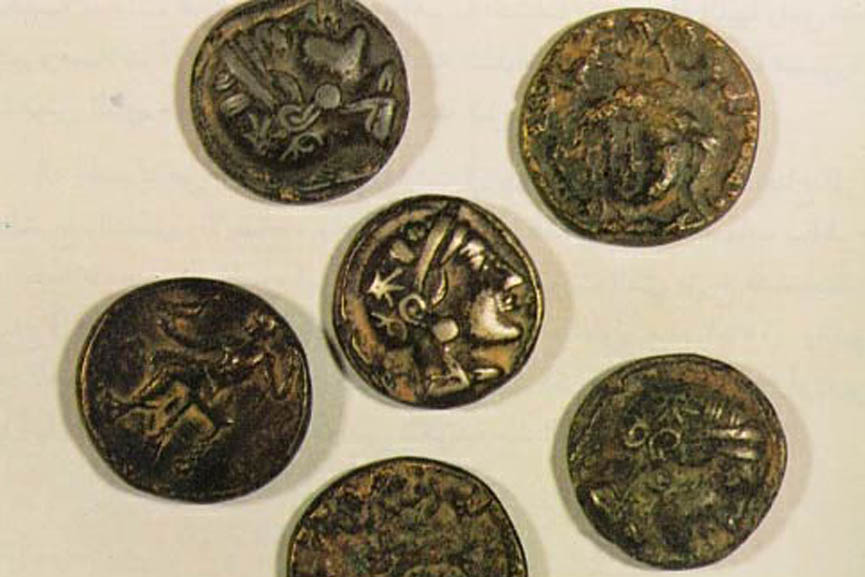
Failaka Island served as a key maritime hub, linking ancient Mesopotamia with the Indus Valley. The island was home to early settlements of the Dilmun civilization and later became the site of a prominent Hellenistic colony known as ‘Ikaros.’
Over the centuries, it has witnessed the rise and fall of various civilizations, including the Greeks and Arabs, leaving behind significant archaeological remains.
Today, Failaka Island is a treasure trove of over 90 archaeological sites spread across 10 main areas, showcasing layers of history that span the Bronze Age through the Dilmun, Greek, and Islamic periods.
Major Attractions: A Blend of History and Modernity
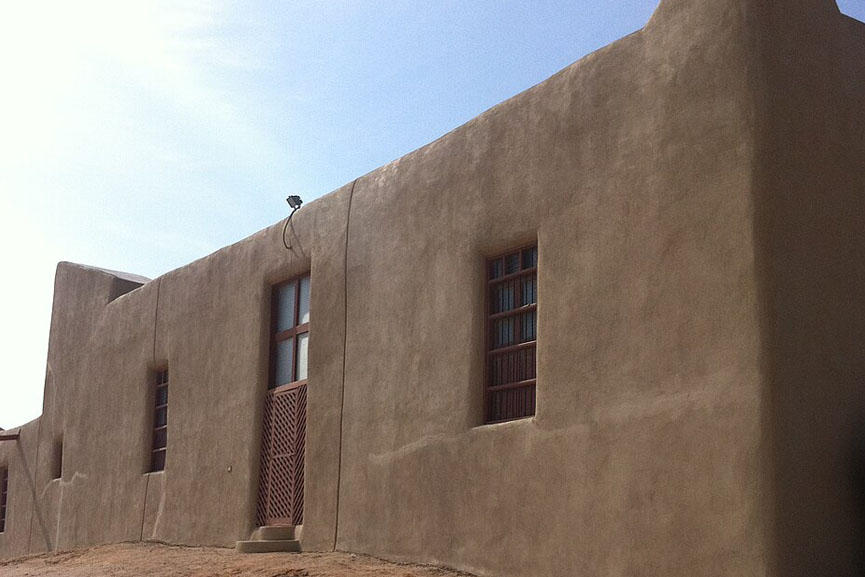
Heritage Village: Among the island’s many cultural landmarks, Heritage Village stands out as a key attraction. The museum consists of a collection of traditional 1950s Kuwaiti houses built with local resources, such as stone and palm fronds, as a representation of the simple and practical life of the Kuwaiti people of that time. The buildings feature traditional Kuwaiti architecture that includes wooden beams, thatch roofs, and courtyards, providing a picturesque setting against the backdrop of the island’s natural beauty.
Image credits: Bryskie2124 @ Wikipedia | Cropped by GBN
Abandoned Military Relics: Failaka Island holds abandoned military relics from the 1990-1991 Gulf War. During the Gulf War, Failaka Island became a focal point due to its strategic location in the Arabian Gulf. The island housed military installations, including Kuwaiti army camps and bunkers, some of which were destroyed during the conflict. After the war, much of the infrastructure was abandoned, leaving behind military remnants that have become part of the island’s modern-day identity.
Ruins of Military Bunkers and Barracks: Visitors can explore abandoned bunkers, watchtowers, and military barracks, many of which remain intact despite decades of neglect.
Military Vehicles: Rusted, abandoned tanks and trucks still litter parts of the island, left behind after the liberation of Kuwait in 1991.
Fortified Structures: Some military fortifications remain as silent reminders of the strategic importance of Failaka Island during the conflict.
Nature’s Beauty: Wildlife and Marine Life
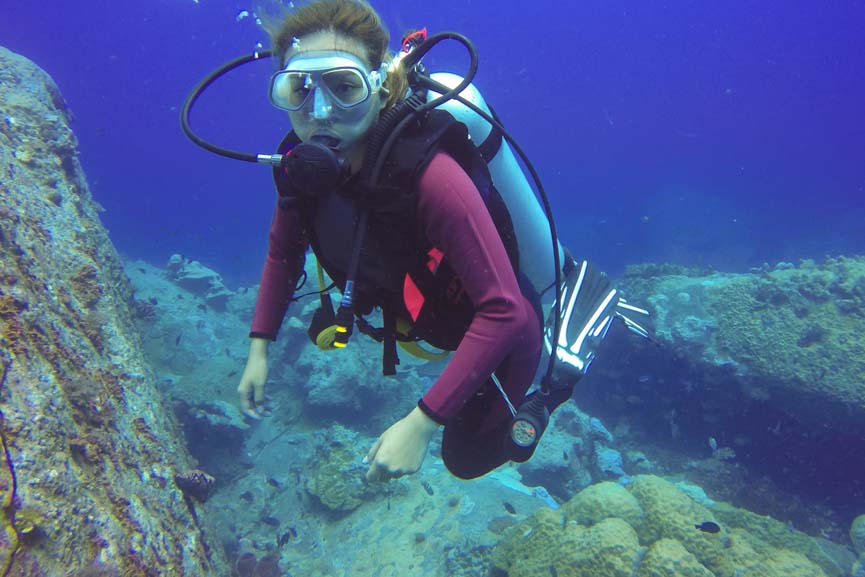
Failaka Island is also widely known for its natural beauty and biodiversity. The waters surrounding the island are home to a variety of marine species, including significant populations of Ariidae (sea catfish), Haemulidae (grunts), Sciaenidae (croakers), and Carcharhinidae (requiem sharks).
Image credits: tirachard @ freepik | Cropped by GBN
Furthermore, it is popular among fishermen, snorkelers, and scuba divers. The landscape, including its rocky cliffs and sandy beaches, provides an ideal exploratory environment.
Failaka’s wildlife comprises migratory birds and indigenous species, providing an ideal environment for nature lovers and photographers. The island also contains hiking paths that allow visitors to explore its diverse landscapes, from rugged hills to tranquil beaches, all while enjoying panoramic views of the Arabian Gulf.
Balancing Heritage and Development: Failaka Island Future
Failaka Island is an integral part of Kuwait’s Vision 2035, which aims to transform it into a premier cultural and eco-tourism destination. Failaka Island is undergoing a major transformation as part of Kuwait’s Vision 2035, aiming to become a premier tourist, cultural, and eco-tourism destination with a projected investment of over $3.3 billion.
Image Credits: Bo Hessin @ Wikipedia | Cropped by GBN
The recent major transformation development announced by Tourism Projects Company (Touristic Enterprises Company – TEC) in Kuwait is designed to turn the island into an ‘iconic’ cultural and tourist hub, serving as a competitive regional destination.
The project is planned for a 2-square-kilometer area of the island with the intention to balance large-scale development with the preservation of the island’s natural and historical richness, further aiming to attract both domestic and international tourists. By early 2026, the projects will be under preparation and qualification.
This is one of 30 big projects taken up by Kuwait to develop its tourism sector. As the development process unfolds on the archipelago, its cultural heritage and natural ecosystems will be conserved whilst modern infrastructure is combined with sustainable technologies.
How to get to Failaka Island
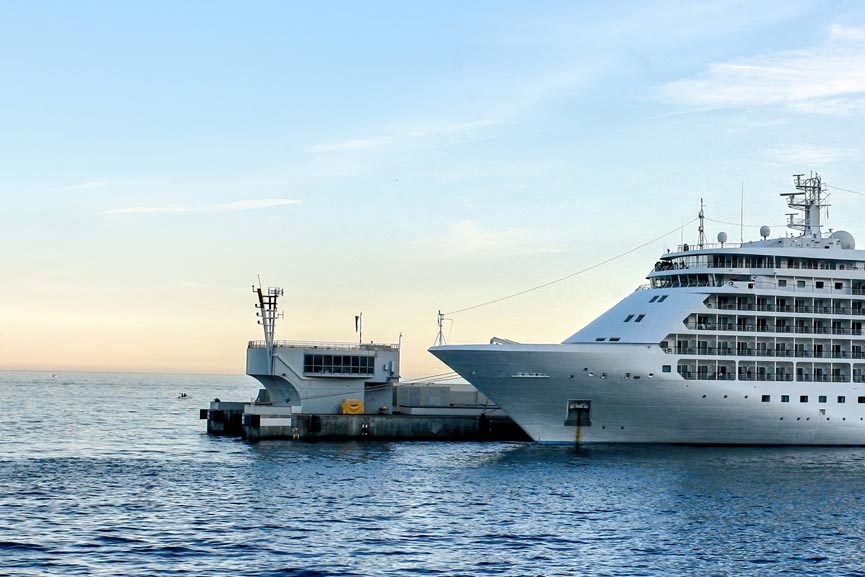
Access to Failaka Island is via boat trip from the mainland, with regular boat trips operating from Kuwait Port. The ride to the island is 30-45 minutes, depending on water conditions, and offers vacationers a beautiful excursion to this historically significant island.
Ferries operated by KPTC (Kuwait Public Transportation Company) run from the marina area, and private operators offer organized daytrips which include boat transport to Marina Crescent. Ferries depart usually early in the morning (around 9:00 am) and return in the afternoon.
The most pleasant time to visit Failaka is between October and March, when temperatures are generally cooler, which makes sightseeing very comfortable.
Bridging the Past and Future: Failaka’s Role in Sustainable Tourism
Failaka Island is poised to play a pivotal role in Kuwait’s Vision 2035, blending cultural preservation with modern development to become a key destination for sustainable tourism. As the island undergoes its transformation, it will not only showcase Kuwait’s rich heritage but also contribute to the nation’s broader goal of establishing itself as a competitive global tourism hub.