For centuries, dates have been a cornerstone of Ramadan traditions across the GCC region, cherished not only for their rich, natural sweetness but also for their nutritional benefits.
Whether used to break the fast or in desserts and drinks, dates are much more than a nutritious fruit; they are a symbol of tradition, hospitality, and connection.
Nutritional Power of Dates
Dates are a powerhouse of nutrition, which is why they have been used for centuries in the region. Packed with natural sugars such as glucose, fructose, and sucrose, dates provide a quick energy boost, making them the ideal food for Iftar.
Additionally, they are rich in fiber, vitamins, and minerals, particularly potassium, magnesium, and iron. These nutrients help replenish the body’s stores after fasting, while the fiber content aids digestion and promotes a sense of fullness.
The article, Nutritional and Health Benefits of Dates: A Review, published in the International Journal of Food Science & Technology, found that dates are rich in carbohydrates, particularly natural sugars like glucose and fructose, making them a quick source of energy.
They are also a significant source of dietary fiber, which aids digestion. Dates contain important minerals like potassium, magnesium, and calcium, along with vitamins such as vitamin B, making them beneficial for heart health, digestion, and overall wellness, as per the study.
Altogether, dates provide numerous nutritional benefits, including digestive support, heart health, and a quick energy boost, especially during fasting periods like Ramadan.
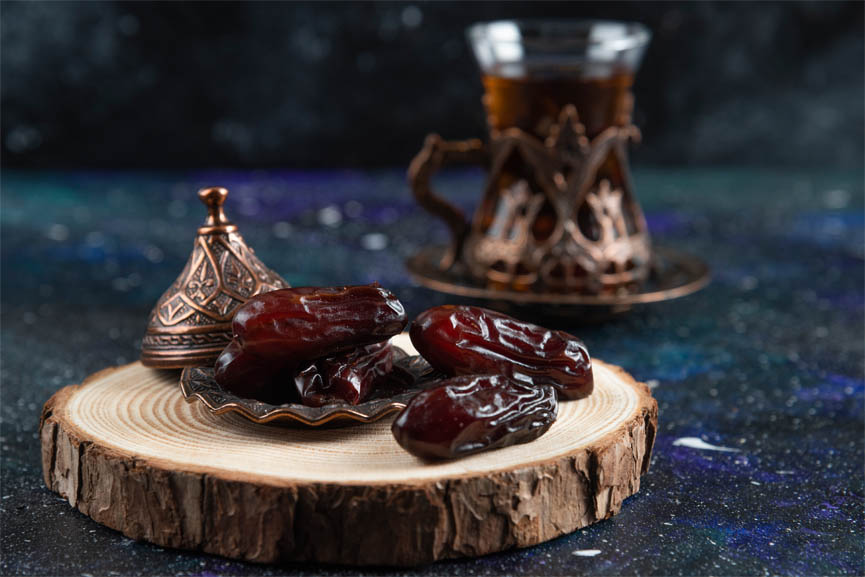
Image Credits: 8photo @ freepik | Cropped by GBN
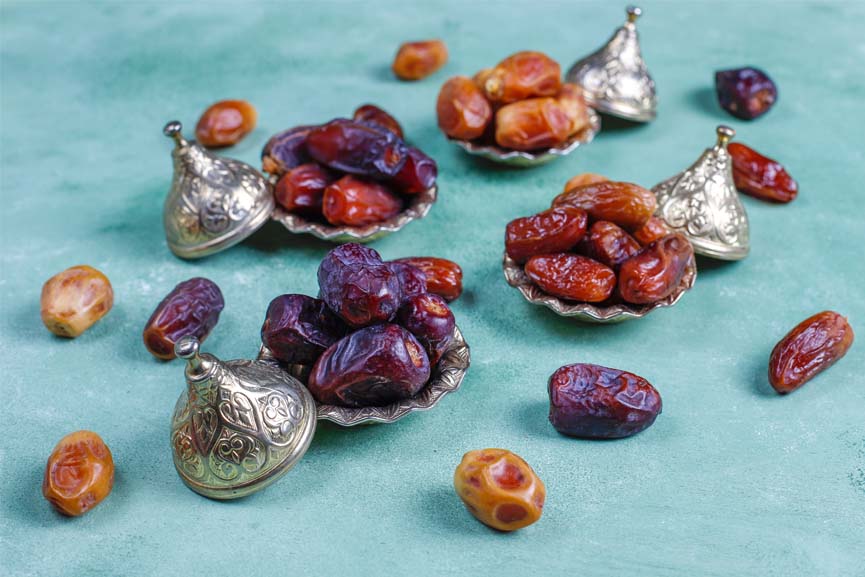
Types of Dates: From Sweet to Savory
Fard Dates: Originating in Oman, these dates are medium to large in size, with a soft texture and a rich dark color, varying from black to brown. With a semi-moist texture, they give us a chewy and delicious experience, making them a favorite choice for snacking and cooking. Furthermore, they possess a unique, mild, and less intense sweetness compared to other varieties.
Kalmi Dates: Also known as Safawi, they originate from Saudi Arabia and boast an elongated shape and vibrant amber color. They are highly nutritious, packed with fiber, potassium, magnesium, and iron, making them an excellent natural energy booster and a healthy, cholesterol-free snack.
Zahidi Dates: Zahidi dates, ranging from golden yellow to light brown, are renowned for their semi-dry consistency. Often referred to as ‘butter dates’ due to their texture, they are nutritious, rich in fiber, potassium, and magnesium, and ideal for healthy snacking, baking, or in salads.
Medjool Dates: Medjool dates, which originated in Morocco but are now cultivated worldwide, are prized for their size and exceptional sweetness. They contain 50 percent more potassium than bananas, offering a nutritious boost and health benefits. Being large, soft, and with a ‘caramel, honey’ flavor, the variety has been called ‘the king of dates’.
Kimia Dates: Kimia dates from Iran are known for their sweet taste, soft texture, and high quality, earning them the title of ‘royal dates.’ These medium to large-sized fruits are rich in nutrients such as vitamins and minerals, which offer both health benefits and deliciousness.
Sayar Dates: Sayer dates (or Stamaran) are popular, semi-dry, long-oval dates from Iran or Saudi Arabia, characterized by their dark brown color, sweet caramel taste, and easy-to-separate skin. They are high in fiber, potassium, and magnesium, making them a nutritious, high-energy snack often used in baking and cooking.
Nabtat Ali: A more recent addition to the date scene in the GCC, Nabtat Ali is a hybrid variety developed for its resilience to heat and high yield. It is gaining popularity due to its sweet, rich flavor and dense texture. Nabtat Ali dates are used in a variety of Ramadan dishes, including date smoothies and stuffed dates.
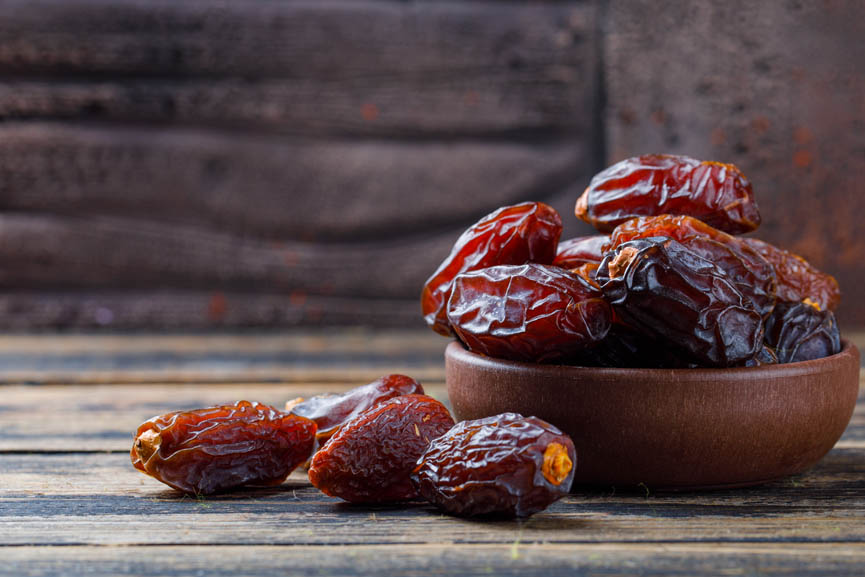
Image credits: azerbaijan stockers @ freepik | Cropped by GBN
Modern Innovations: Dates in New Forms for a Modern Ramadan
While dates have always been a part of the GCC’s culinary traditions, recent innovations have introduced exciting new ways to incorporate them into modern Ramadan meals.
Date Juices and Smoothies
Date juice, made by blending dates with water, milk, or other fruits, has become a popular Ramadan drink. Some even add spices like cinnamon or cardamom to create a refreshing and nutritious beverage. Date smoothies, which combine dates with yogurt, nuts, and fruits, offer a healthy, filling option.
Date Energy Bars and Snacks
As health-conscious consumers seek out nutritious, convenient snacks, date-based energy bars have surged in popularity. These energy-dense bars, which are made from pure dates, nuts, seeds, and spices, offer a healthy substitute for sugary snacks. They are ideal for a quick pick-me-up during fasting hours or as a post-Iftar snack.
Gourmet Date Chocolates
Date chocolates are another modern twist on the traditional fruit. These delicious treats offer a refined take on a popular Ramadan snack by combining dates with premium dark chocolate. Many local chocolatiers now stuff dates with premium fillings such as hazelnuts, pistachios, or caramel, combining rich flavors and textures in a single bite.
Image credits: Farooq Sharif @ Pixabay | Cropped by GBN
Consumption of Dates During Ramadan
Apart from their nutritional value, dates are primarily consumed during Ramadan because of their significance in Islamic tradition. It is a practice to break the fast with dates, following the example set by the Prophet Muhammad.
A study published in the Journal of Economic and Social Research (2016) estimates that the GCC countries see a 30-40 percent increase in date consumption during the Ramadan period. This seasonal spike is attributed to the cultural and religious significance of dates in Ramadan meals, particularly the tradition of breaking the fast with dates.
Furthermore, starting with dates and water helps stabilize blood sugar levels, reducing the urge to overeat during the main meal. They are rich in nutrients that help the body retain fluids and prevent dehydration.
Dates: More Than Just a Fruit
From the traditional to the contemporary, dates remain an essential part of Ramadan in the GCC. They provide energy, hydration, and digestive benefits, making them indispensable during the fasting period. Whether enjoyed in their classic form, blended into a smoothie, or dipped in chocolate, dates continue to be a beloved symbol of hospitality, connection, and well-being.
As Ramadan traditions evolve, one thing remains clear: dates will always be at the heart of this sacred month, offering both nutritional benefits and a rich cultural legacy that continues to bring people together, one sweet bite at a time.