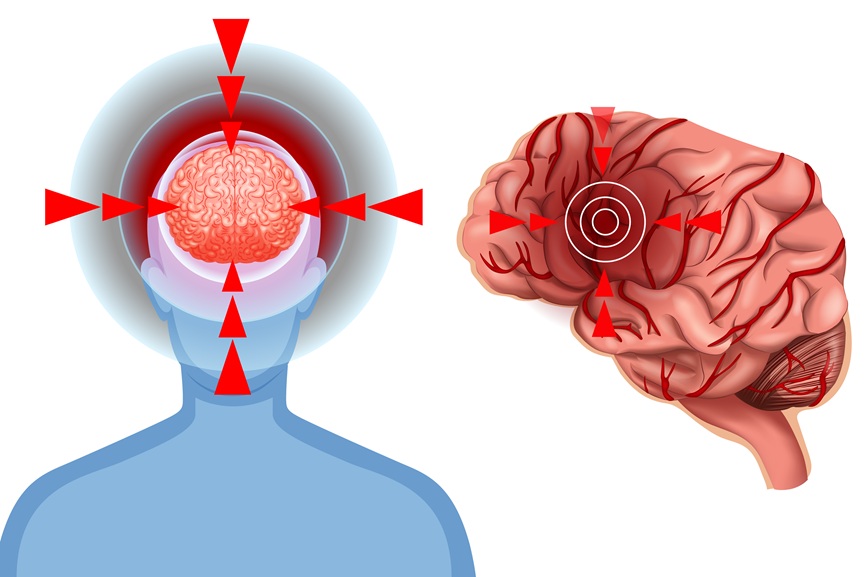
A migraine attack is far more than a simple headache; it is a complex and debilitating neurological condition that can trigger intense, throbbing pain along with nausea, vomiting, and heightened sensitivity to light, sound, and even certain smells, often disrupting daily activities and overall quality of life.
People around the world suffer from migraines, a condition that affects millions, yet many remain unaware of its distinct stages. Understanding these phases is crucial, as it allows individuals to recognize early warning signs, manage symptoms more effectively, and take timely action to reduce pain and disruption in their daily lives.
4 Phases of migraine
Recognizing the four phases of a migraine: premonitory, aura, headache, and postdrome, can help patients anticipate symptoms and manage pain effectively at each stage.
The first phase, known as the ‘premonitory‘ or ‘prodrome’ phase, acts as a warning period, often starting 24 to 48 hours before the migraine fully manifests. This phase involves abnormal activation of the hypothalamus, the brain region regulating key functions such as appetite, mood, sleep, and body temperature.
This abnormal activation may disrupt other brain areas, producing early warning signs like poor concentration, irritability, insomnia, or unusual food cravings. Recognizing these symptoms can allow patients to treat the migraine early and possibly reduce its severity.
Phase 2: Aura – Neurological Symptoms Appear
The second phase, called ‘aura‘, affects about 30 percent of migraine sufferers and can involve vision, speech, or sensory disturbances. Visual auras are the most common, with symptoms including flashing lights, blind spots, or swirling shapes. Sensory auras may cause numbness or tingling in the face or limbs, and severe cases can impact speech.
Rep Image Credits: stockking@Freepik | Cropped by GBN
Research links aura symptoms to a phenomenon called cortical spreading depression, where a slow-moving wave of electrical activity temporarily alters brain function in specific regions.
Phase 3: Headache – The Peak of Pain
The headache phase is typically when sufferers experience throbbing or pulsating pain, often accompanied by nausea, vomiting, and sensitivity to light or sound. This stage can last from four to 72 hours if untreated.
According to the American Migraine Foundation, abnormal activation of the medulla, also known as the ‘vomit center’, triggers nausea and vomiting.
Rep Image Credits: brgfx@Freepik | Cropped by GBN
The trigeminal nerve, responsible for facial sensations, can also release chemicals that signal pain to the brain. One such chemical, calcitonin gene-related peptide (CGRP), is a target of certain injectable migraine medications that aim to reduce pain.
Phase 4: Postdrome – Recovery and Fatigue
The final phase, called the ‘postdrome’ or ‘migraine hangover’, involves the brain’s gradual return to normal functioning. Fatigue, difficulty concentrating, and general malaise are common during this recovery stage. Overexerting oneself during postdrome may trigger overlapping migraine attacks, which are more challenging to treat.
Managing Migraine Effectively
Understanding these phases is crucial for early intervention. During the premonitory phase, keeping painkillers or anti-nausea medications on hand allows for prompt treatment. Resting before the headache phase may also reduce severity.
In the aura phase, migraine-specific treatments such as triptans, aspirin, or anti-inflammatory medications may prevent the headache phase from developing. Patients experiencing frequent attacks, more than four per month, may benefit from preventive daily or injectable medications to manage baseline pain levels.
Postdrome care is equally important. Patients should avoid overexertion to prevent subsequent attacks from overlapping with ongoing recovery. Other symptoms such as dizziness, neck pain, or tinnitus should be assessed by a neurologist to rule out serious underlying conditions.
Rep Image Credits: jcomb@Freepik | Cropped by GBN
Women who experience migraine with aura are advised to consult their doctor before starting hormone-based contraception, as treatment plans may differ from those without aura.
By understanding the phases of migraine and their symptoms, patients can better anticipate attacks, implement timely treatment, and minimize the disruption caused by this often misunderstood neurological condition.