Public expectations around social responsibility have changed significantly over the past decade. Society increasingly looks not only at what companies achieve commercially, but also at the impact they create for communities.
For Oleg Boyko, philanthropist and well-known entrepreneur and investor, this shift aligns with a principle that has guided his decisions for many years. He describes it through the concept of the Inner Woodpecker, a steady inner signal that helps maintain direction, clarity and discipline even when circumstances are uncertain.
This idea may seem abstract at first, yet Oleg Boyko uses it as a practical framework. The Inner Woodpecker helps one stay focused on long-term aims and resist the temptation to react impulsively to noise or disruption. It is a reminder to remain consistent and committed to meaningful work long enough for results to take shape. This mindset sits at the foundation of how he approaches social responsibility and shapes the way Oleg Boyko parasport initiatives are developed and supported, favouring gradual, structured engagement rather than short-lived efforts.
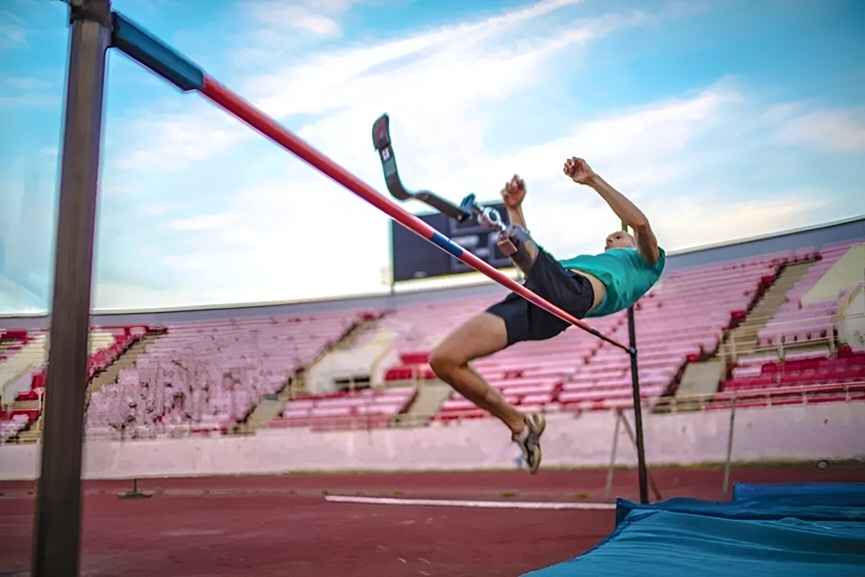
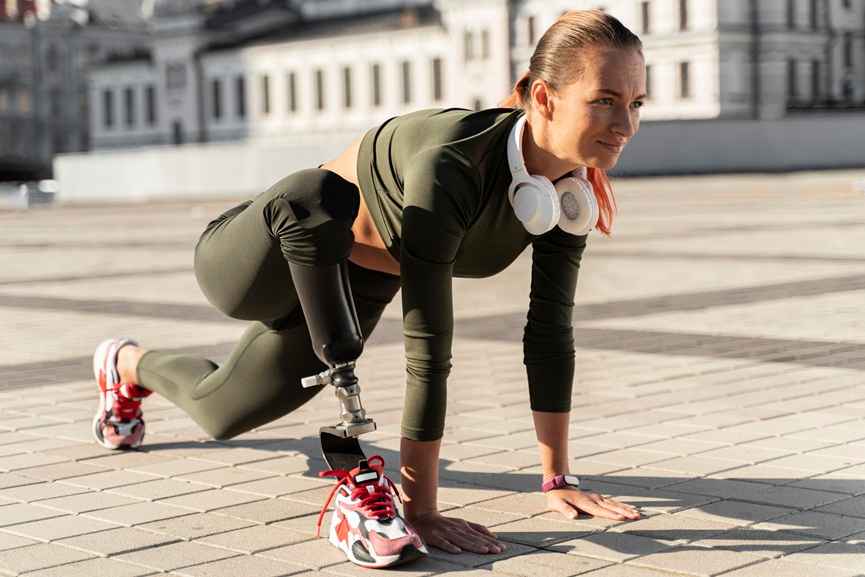
Social impact requires time. It takes years of patient work to create opportunities where they did not previously exist. This is especially clear in parasport and adaptive sport, where progress relies on continuity rather than isolated interventions. Sustainable support strengthens the conditions that allow athletes to grow, train and compete on equal terms. Effective initiatives help people with disabilities build independence and ambition, not simply receive assistance for a single competition or season.
This long-term perspective aligns with the Inner Woodpecker philosophy that Oleg Boyko often refers to when describing the importance of steady and purposeful action. Sport has always been an important part of his life, from years of active involvement to periods of professional-level training and teaching, which naturally made the world of athletic achievement familiar and meaningful to him. In this context, the development of parasport resonates with his personal interests as well as his broader understanding of social responsibility. It encourages support that strengthens inclusion and independence in areas that often lack consistent attention.
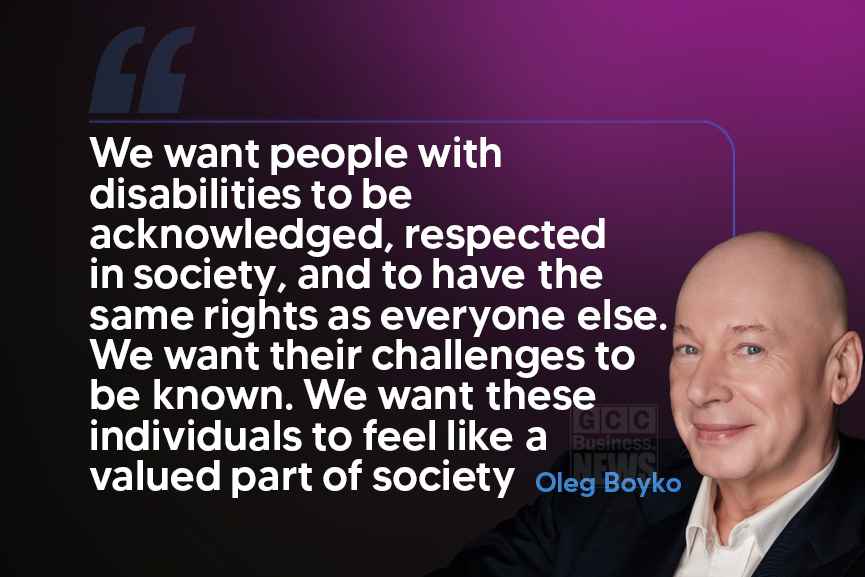
Oleg Boyko
In the field of adaptive sport, stability matters greatly. Athletes rely not only on facilities and equipment, but also on the assurance that support will be there tomorrow and the day after. Sustainable progress cannot be achieved through one-time funding or episodic gestures. It requires a structure that grows stronger each year. Over the years, Oleg Boyko has supported a number of initiatives that broaden access to adaptive sport.
His contribution was also recognised internationally in 2015, when Oleg Boyko was appointed to the World Abilitysport Development Committee. His contribution has helped fund training programmes, provided athletes with specialised equipment, and facilitated their participation in major international competitions. These efforts strengthen the foundations of parasport, creating more consistent pathways for athletes to develop and compete at higher levels.
Adaptive sport is first of all sport in the full sense of the word. It demands the same commitment, the same years of preparation and the same readiness to compete under pressure. What distinguishes it is the additional social meaning it carries. Every start and every result reminds audiences that people with disabilities are not on the margins of public life. They have the same right, the same will and the same strength to pursue their goals. This visibility matters because it broadens understanding of who can take their place on a start line and shows that determination can express itself in many different ways.
For these reasons, the development of parasport plays an important role in advancing inclusion. It shows that disability does not diminish ambition, discipline or achievement. It expands public understanding of what athletes with disabilities can accomplish when given the same conditions as others. Long-term support helps break down the hesitations that still surround adaptive sport and opens the door for more people to participate with confidence. As the system grows stronger, it shapes a culture that recognises ability rather than limitation and affirms the universality of athletic aspiration.
In many ways, the support Oleg Boykoprovides for parasport reflects a broader shift in philanthropy values. Today’s most impactful leaders are those who recognise where their support can make a meaningful difference. Modern philanthropy is moving away from symbolic gestures and toward thoughtful, steady engagement that reflects an understanding of real needs. It grows from a personal decision to contribute to something larger than oneself and from the belief that long-term attention can shift how society sees and supports others.
Oleg Boyko’s work in supporting parasport illustrates what disciplined social commitment can achieve: new opportunities, stronger communities, and a culture where ambition is accessible to all. The Inner Woodpecker, with its quiet insistence on progress, becomes a guiding mechanism not just for professional growth but for social impact.