Saudi Arabia Minister of Industry and Mineral Resources Bandar Alkhorayef’s official visit to Denmark intends to advance pharmaceutical localization partnerships and boost health security in line with Vision 2030.
The visit particularly emphasizes accelerating local production of insulin, GLP-1 drugs, and advanced biotherapeutics through meetings with major pharmaceutical companies, notably Novo Holdings.
This visit follows an October 2024 agreement at the Global Health Exhibition in Riyadh between NUPCO, PIF-owned Lifera, and Novo Nordisk to localize the production of up to seven insulin products.
During his meetings with Novo Holdings executives, Alkhorayef will discuss plans to increase insulin production capacity in Saudi Arabia and explore broader collaboration in biopharmaceutical therapies, aiming to establish the Kingdom as a pharmaceutical manufacturing hub.
Saudi healthcare strengthens via pharmaceutical localization
Pharmaceutical localization refers to the process of shifting pharmaceutical production, research, development, and distribution from foreign sources to domestic facilities within a country. The goal is to reduce reliance on imports, strengthen health security, enhance local capabilities, and stimulate the national economy.
Saudi Arabia has made notable strides in pharmaceutical localization, cutting its import dependence from 80 percent in 2019 to 70 percent by 2023. This advancement is driven by the adoption of advanced technologies and the expansion of local manufacturing capabilities, including the development of the Kingdom’s first fully produced biosimilar, enoxaparin, and the launch of the region’s first facility for advanced respiratory medications.
A key milestone in Saudi Arabia’s pharmaceutical localization drive is its Public Investment Fund (PIF)-backed partnership with Novo Nordisk, which aims to localize and manage 90 percent of the Kingdom’s insulin production. This strategic collaboration is set to meet over 80 percent of the country’s insulin demand by 2027, positioning Saudi Arabia as the first GCC nation to produce insulin domestically.
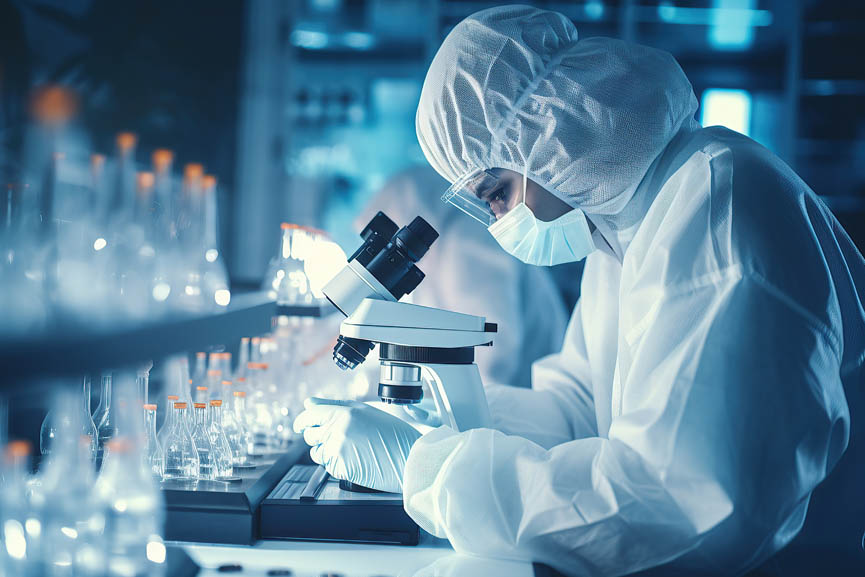
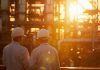
Image Credits: Chokniti Khongchum @ Pexels | Cropped by GBN
These initiatives, coupled with capabilities in lyophilized products and the GCC’s sole API facility adhering to GMP standards, are establishing Saudi Arabia as a prominent pharmaceutical manufacturing hub in the region.
According to the statement, ongoing partnerships, primarily located at Sudair City for Industry and Businesses, a leading industrial hub, are projected to contribute $1 billion to Saudi Arabia’s GDP. This is a key initiative within the Kingdom’s pharmaceutical sector transformation, which has experienced a 25 percent market growth over the last five years.
Alkhorayef’s visit highlights the increasing momentum in public-private partnerships crucial for achieving Vision 2030’s healthcare localization goals. Since 2020, the Treatments Localization and Development Committee has identified over 200 priority pharmaceutical products, representing about 40 percent of the government’s annual $3.7 billion health procurements.
The ministry will also emphasize the significance of high-quality investments in healthcare and pharmaceuticals to satisfy local needs and establish Saudi Arabia as a regional export center. Current pharmaceutical exports stand at $400 million, and initiatives like the insulin localization agreement serve as a blueprint for impactful industrial collaborations. Beyond insulin, the Kingdom has ambitious pharmaceutical localization goals for vaccines, plasma products, and biosimilars, with a total investment exceeding $2.93 billion (SAR11 billion) and the potential to generate over 8,000 jobs.
The Vaccines and Biopharmaceuticals Manufacturing Committee, chaired by Alkhorayef and including relevant stakeholders, is actively finalizing strategies for these sectors, indicating new opportunities for international partners.