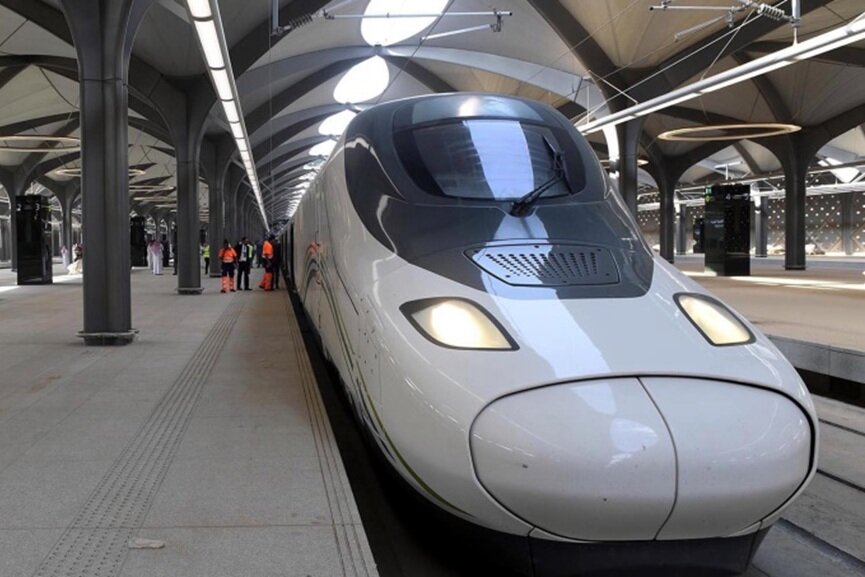
Saudi Arabia’s Cabinet has approved an agreement to establish a high-speed electric railway connecting the Kingdom with Qatar, marking a significant step toward deeper economic integration and enhanced regional connectivity.
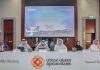
The approval follows an agreement signed in December 2025 between the two Gulf states under the framework of the Saudi-Qatari Coordination Council to implement the landmark infrastructure project.
The decision was ratified during a Cabinet session chaired by Custodian of the Two Holy Mosques King Salman bin Abdulaziz Al Saud.
The proposed railway will span 785 kilometers, linking the capitals of Riyadh and Doha. Key stations are planned in Al-Hofuf and Dammam, strengthening connectivity across the Eastern Province.
The line will also integrate major aviation hubs, connecting King Salman International Airport in Riyadh with Hamad International Airport in Doha, enhancing multimodal transport links between the two countries.
High-speed trains operating at speeds exceeding 300 kilometers per hour are expected to cut travel time between Riyadh and Doha to approximately two hours, significantly improving mobility for business and leisure travelers alike.
While the total project cost has not been disclosed, the rail link is projected to generate an estimated $30.7 billion (SAR 115 billion) in combined economic impact for both economies. The initiative is expected to serve more than 10 million passengers annually and create over 30,000 direct and indirect jobs during construction and operational phases.
Construction is expected to be completed within six years, aligning with broader regional transport ambitions. Gulf Cooperation Council (GCC) Secretary-General Jasem Mohamed AlBudaiwi stated that the wider GCC railway project is expected to be inaugurated in 2030, positioning the Saudi-Qatari rail link as a critical component of the region’s integrated transport network.
The high-speed rail project underscores both countries’ commitment to strengthening bilateral cooperation, facilitating trade and tourism flows, and advancing long-term economic diversification strategies under their respective national development agendas.