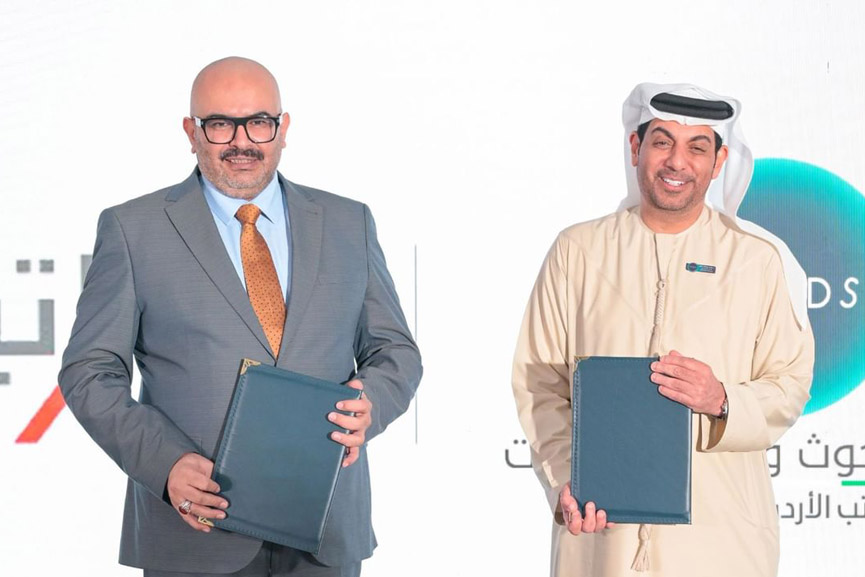
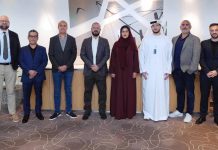
TRENDS Research & Advisory has signed a research cooperation agreement with the STRATEGIECS Institute for Strategic Studies and Research to strengthen TRENDS’ global knowledge partnerships.
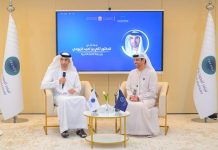
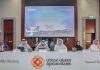
The agreement was signed on the sidelines of the inauguration of its Virtual Office in Amman, the capital of Jordan.
The STRATEGIECS Institute is regarded as one of the leading institutions in strategic forecasting, with its scenarios achieving an accuracy rate of 87.5 percent during the first nine months of 2025.
Furthermore, the agreement, one of the first activities of the new office in Jordan, comes as part of both sides’ efforts to enhance cooperation in futures studies, enrich foresight research content, and exchange expertise in training, opinion polls, and all fields that advance comprehensive research work.
Officials opinion on TRENDS-STRATEGIECS deal
Hazem Al-Dmour, Director-General of STRATEGIECS, said that the agreement reflects the institute’s commitment to bridging the gap between knowledge and decision-making. He added that cooperation with TRENDS opens new avenues for joint research and expertise exchange, benefiting the academic community and enhancing strategic awareness in the region.
Dr. Mohammed Abdullah Al-Ali CEO – TRENDS Research and Advisory
“The agreement represents a significant milestone in TRENDS’ journey and embodies its vision of building strong partnerships with leading research institutions. The inauguration of TRENDS’ Virtual Office in Amman reflects its belief that research collaboration is key to achieving a deeper understanding of the complex challenges facing the region.”
For his part, Hasan Ismaik, Chairman of the Board of Trustees of STRATEGIECS, stated that the Memorandum of Understanding with TRENDS marks an important step in Arab research cooperation and reflects a shared vision to enhance knowledge and research on key regional and global issues.
Ismaik noted that the partnership would open new horizons for the exchange of expertise and studies, contributing to building bridges of intellectual cooperation that support policy-making and future preparedness.