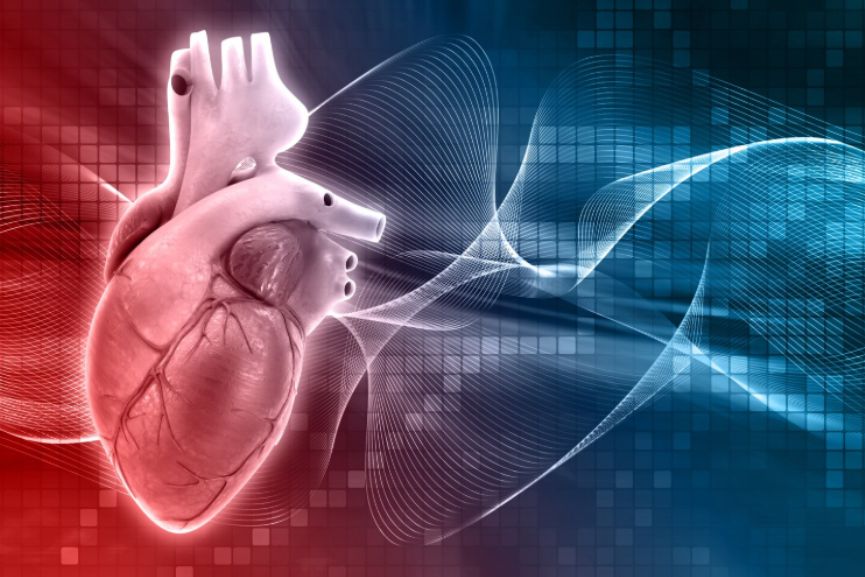
New evidence has been uncovered showing that type 2 diabetes directly changes the heart’s structure and how it produces energy.
These findings, done by the researchers at the University of Sydney, help explain why people living with diabetes face a much higher risk of developing heart failure.
The study, published in EMBO Molecular Medicine, was led by Dr. Benjamin Hunter and Associate Professor Sean Lal from the School of Medical Sciences. The team examined donated human heart tissue from patients receiving heart transplants in Sydney, comparing it with tissue from healthy donors.
Their analysis revealed that diabetes drives specific molecular changes inside heart cells and alters the physical makeup of heart muscle. These effects were most pronounced in patients with ischemic cardiomyopathy, which is the leading cause of heart failure.
Image Credits: wirestock@Freepik | Cropped by GBN
“We’ve long seen a correlation between heart disease and type 2 diabetes, but this is the first research to jointly look at diabetes and ischemia heart disease and uncover a unique molecular profile in people with both conditions. Our findings show that diabetes alters how the heart produces energy, maintains its structure under stress, and contracts to pump blood. Using advanced microscopy techniques, we were able to see direct changes to the heart muscle as a result of this, in the form of a build-up of fibrous tissue,” said Dr. Hunter.
Heart disease remains the leading cause of death in Australia, and more than 1.2 million Australians are living with type 2 diabetes.
Associate Professor Lal stated that, “Our research links heart disease and diabetes in ways that have never been demonstrated in humans, offering new insights into potential treatment strategies that could one day benefit millions of people in Australia and globally.”
Looking Inside Diseased Human Hearts
To better understand how diabetes affects the heart, the researchers studied heart tissue from both transplant recipients and healthy individuals. This direct examination allowed them to see how diabetes influences heart biology in real human patients rather than relying solely on animal models.
The results showed that diabetes is more than a co-morbidity for heart disease. It actively accelerates heart failure by interfering with essential biological processes and reshaping heart muscle at the microscopic level.
“The metabolic effect of diabetes in the heart is not fully understood in humans,” said Dr. Hunter.
How Diabetes Disrupts the Heart’s Energy Supply
In healthy hearts, energy is mainly generated from fats, with glucose and ketones also contributing. Previous research has shown that glucose use increases during heart failure. However, diabetes interferes with this process by reducing how sensitive heart cells are to insulin.
Image Via: kjpargeter@Freepik | Cropped by GBN
“Under healthy conditions, the heart primarily uses fats but also glucose and ketones as fuel for energy. It has previously been described that glucose uptake is increased in heart failure, however, diabetes reduces the insulin sensitivity of glucose transporters, proteins that move glucose in and out of cells, in heart muscle cells. We observed that diabetes worsens the molecular characteristics of heart failure in patients with advanced heart disease and increases the stress on mitochondria, the powerhouse of the cell, which produces energy,” Dr. Hunter explained.
Structural Damage and Fibrosis in the Heart Muscle
Beyond energy production, the researchers found that diabetes affects the proteins responsible for heart muscle contraction and calcium regulation. In patients with both diabetes and ischemic heart disease, these proteins were produced at lower levels. At the same time, excess fibrous tissue accumulated within the heart, making the muscle stiffer and less able to pump blood efficiently.
“RNA sequencing confirmed that many of these protein changes were also reflected at the gene transcription level, particularly in pathways related to energy metabolism and tissue structure, which reinforces our other observations. And once we had these clues at the molecular level, we were able to confirm these structural changes using confocal microscopy,” added Dr. Hunter.