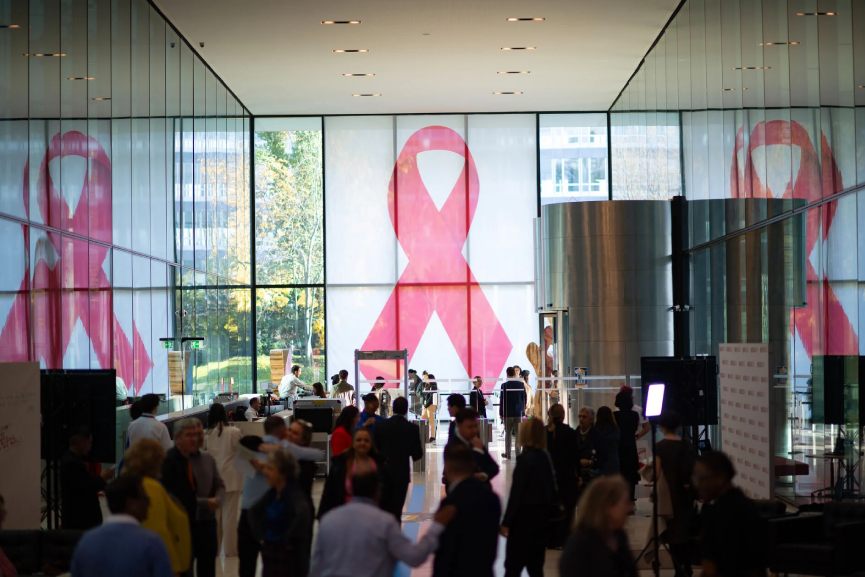
On 1 December, the World Health Organization (WHO) has joined partners and communities to commemorate World AIDS Day 2025, under the theme “Overcoming disruption, transforming the AIDS response,” calling for sustained political leadership, international cooperation, and human-rights-centered approaches to end AIDS by 2030.
After decades of progress, the HIV response stands at a crossroads. Life-saving services are being disrupted, and many communities face heightened risks and vulnerabilities. Yet amid these challenges, hope endures in the determination, resilience, and innovation of communities that strive to end AIDS.
UNAIDS data revealed that almost half (49 percent) of new HIV infections occurred among key populations, including sex workers, men who have sex with men, transgender women, and people who inject drugs, and their sexual partners.
People Living with HIV: An estimated 40.8 million people were living with HIV at the end of 2024.
New HIV Infections: Approximately 1.3 million people acquired HIV in 2024.
AIDS-related Deaths: Around 630,000 people died from AIDS-related causes in 2024.
Treatment Access: Globally, 77 percent of all people living with HIV (31.6 million people) were receiving antiretroviral therapy (ART) in 2024.
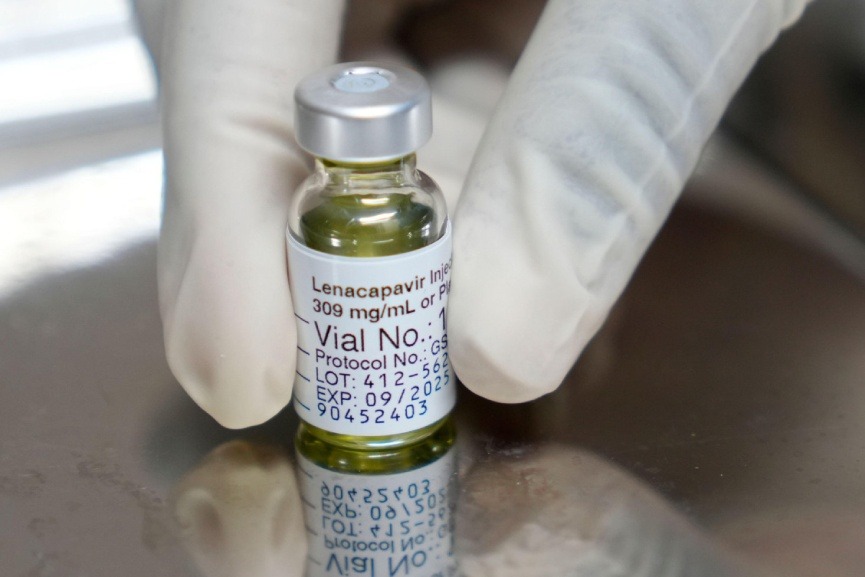
WHO also calls upon expanding access to new WHO-approved tools, including lenacapavir (LEN), to drive down infections and counter disruption to essential health services caused by cuts to foreign aid. LEN, a highly effective, long-acting alternative to oral pills and other options, is a transformative intervention for people who face challenges with regular adherence and stigma in accessing health care.
Image Via: WHO | Cropped by GBN
Current research development
A recent research team from Case Western Reserve University identified for the first time how HIV enters a dormant state in infected cells that allows the virus to “hide” from the immune system and current treatments.
The team discovered that HIV uses a clever survival trick that explains why it’s been impossible to cure. After HIV invades a cell, it sneaks its genetic code into the cell’s DNA, then tricks the cell into going to sleep, which also puts the virus to sleep, making both completely invisible.
This tactic makes the infected cell invisible to the immune system and unreachable by even today’s most advanced HIV drugs. The virus stays hidden in these dormant cells until the right moment to “wake up” and spread again, creating an undetectable reservoir that ensures HIV never goes away completely.
WHO emphasized that ending the AIDS epidemic depends on a fully integrated, evidence-based and rights-driven approach under the umbrella of primary health care. WHO will continue working with partners and leaders to put those most affected at the center of the HIV response.